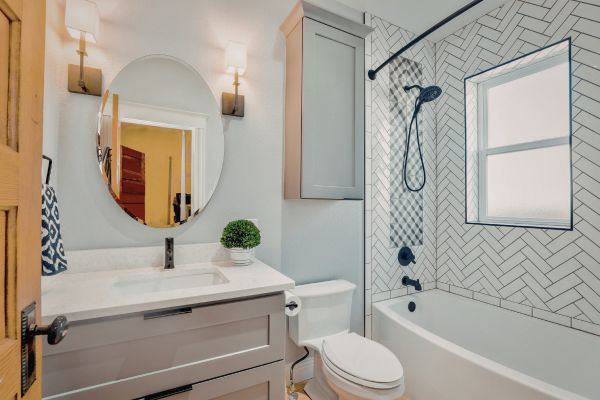
Bathrooms are not always the first place people think of when adding greenery to a home, but they can be surprisingly good environments for certain plants. The warm air, regular moisture, and softer light found in many bathrooms can create the kind of atmosphere that tropical plants naturally enjoy. A little greenery can also change the feeling of the room almost instantly, softening hard surfaces and making the space feel fresher, calmer, and more lived-in.
Of course, not every plant will be happy beside a sink or near a steamy shower. Some plants dislike humidity, while others need more sunlight than a typical bathroom can offer. The best plants for bathrooms are usually those that can handle moisture in the air, tolerate indirect light, and adapt well to changing temperatures. When chosen carefully, bathroom plants can thrive without demanding too much attention.
Why Bathrooms Can Be Good for Plants
A bathroom creates a different kind of indoor climate from a living room or bedroom. After a hot shower, the air becomes humid, and that moisture can benefit plants that normally grow in tropical or subtropical settings. Many popular houseplants struggle in dry indoor air, especially during colder months when heating systems reduce humidity. A bathroom can offer them a more comfortable place to grow.
That said, humidity alone is not enough. Light still matters. A bathroom with a bright window gives you more options, while a windowless bathroom requires plants that tolerate very low light or occasional rotation to a brighter room. Air movement is important too, because too much trapped moisture can encourage mold or soggy soil. The right plant in the right spot will look healthy, but the wrong one may quickly become limp, yellow, or unhappy.
Snake Plant
The snake plant is one of the easiest choices for a bathroom, especially for anyone who does not want a high-maintenance plant. Its upright leaves bring structure to the room, and its bold shape works well in both modern and simple bathroom styles. It can handle low to moderate light, which makes it useful for bathrooms that are not flooded with sunshine.
What makes the snake plant so practical is its tolerance. It does not need frequent watering, and it can cope with the occasional humidity boost after a shower. In fact, overwatering is usually a bigger problem than underwatering. A snake plant in a simple pot near the vanity or in an empty corner can add greenery without taking up much visual space.
Pothos
Pothos is often loved for its trailing vines, and it can look especially charming in a bathroom. Place it on a shelf, hang it from the ceiling, or let it spill gently from the top of a cabinet. Its leaves bring softness to a space that may otherwise feel full of tile, glass, and metal.
This plant adapts well to indirect light and enjoys humidity, though it does not want to sit in wet soil. It is also forgiving, which makes it a good option for beginners. If the vines grow too long, they can be trimmed easily. In a small bathroom, pothos can add a relaxed, natural feeling without needing much floor space.
Peace Lily
A peace lily can bring a more elegant look to the bathroom. Its dark green leaves and white blooms create a gentle contrast that feels clean and calm. It enjoys humidity and can tolerate lower light better than many flowering plants, although it will usually bloom more reliably with bright, indirect light.
Peace lilies like their soil to stay slightly moist, but not waterlogged. Their leaves may droop when they are thirsty, which makes them fairly easy to read. In a bathroom, they can work beautifully on a stool, near a window, or beside a bathtub if there is enough room. One thing to keep in mind is that peace lilies are toxic to pets, so they may not be the best choice in homes with curious cats or dogs.
Boston Fern
The Boston fern is almost made for a humid bathroom. Its soft, feathery fronds love moisture in the air, and the plant can bring a lush, almost spa-like feeling to the room. It looks especially nice in a hanging basket or on a plant stand where the fronds can spread naturally.
This plant does need a little attention. It prefers consistent moisture and bright, indirect light. If the air becomes too dry, the fronds may turn crispy. That is why a bathroom can suit it better than many other indoor spaces. A Boston fern near a shower with filtered light can look beautifully fresh, as long as it is not left in standing water.
Spider Plant
The spider plant is cheerful, simple, and easy to grow. Its arching leaves bring movement to the bathroom, and mature plants often produce small offshoots that hang down like little plantlets. This makes it a lovely choice for shelves, hanging planters, or window ledges.
Spider plants tolerate a range of conditions, including indirect light and moderate humidity. They do not need constant care, and they recover well from occasional neglect. Their bright, striped leaves can also help lighten the look of a bathroom that feels plain or neutral. For someone wanting a friendly, low-stress plant, the spider plant is a reliable option.
Aloe Vera
Aloe vera may not be the first plant that comes to mind for a humid bathroom, because it is a succulent and prefers drier soil. Still, it can work well in a bathroom if the room has good light and the plant is not overwatered. A sunny bathroom window is the best place for it.
Aloe has a clean, sculptural look that suits small spaces. Its thick leaves hold water, so it does not need frequent watering. The main thing is drainage. A pot with drainage holes is essential, and the soil should dry out between waterings. If your bathroom is very dark or constantly damp, aloe may not be the best fit. But in a bright bathroom, it can be both attractive and easy to maintain.
Orchid
Orchids can make a bathroom feel more refined without making it feel decorated in a heavy way. Their blooms are delicate, graceful, and long-lasting when the conditions are right. Many orchids, especially common moth orchids, enjoy humidity and bright, indirect light, which makes a bathroom with a window a good possible home.
They do not like sitting in regular wet soil, so proper orchid bark mix and careful watering matter. A bathroom can provide the moisture they enjoy in the air, but their roots still need airflow. Placed near a bright window, an orchid can add a quiet touch of color and elegance to the room. It is not the easiest plant on the list, but it is not as difficult as many people imagine once its basic needs are understood.
Bamboo
Lucky bamboo is a popular choice for bathrooms because it can grow in water and does not need much space. It has a clean, minimal look that works well on countertops, shelves, or the edge of a bathtub. Despite its name, lucky bamboo is not true bamboo, but it has a similar upright appearance that feels simple and fresh.
It usually does well in low to moderate indirect light. If grown in water, the water should be changed regularly to keep it clean. Lucky bamboo is a good fit for bathrooms where soil-based plants feel messy or inconvenient. It is also useful in small bathrooms because it grows vertically rather than spreading wide.
ZZ Plant
The ZZ plant is another strong choice for low-light bathrooms. Its glossy leaves look polished and healthy even with minimal care. It does not demand frequent watering and can handle less-than-perfect conditions, making it ideal for people who like plants but do not want to fuss over them.
Humidity usually does not bother the ZZ plant, though it does not depend on it as much as ferns or orchids do. It prefers its soil to dry out between waterings. In a bathroom, it can sit on the floor, a shelf, or a vanity, depending on the size of the plant. Its shiny leaves add a neat, sculptural quality that feels clean without being cold.
Calathea
Calatheas are known for their patterned leaves, and they can add a beautiful decorative element to a bathroom. Their foliage often features deep greens, lighter stripes, purple undersides, or painterly markings. Because they naturally enjoy humidity, bathrooms can be a better place for them than dry rooms.
They do best in bright, indirect light and prefer soil that stays lightly moist. They can be a little sensitive, especially to dry air, harsh sunlight, or inconsistent watering. But in a bathroom with gentle light and steady humidity, a calathea can look stunning. It is a good choice for someone who wants a plant with more character and does not mind paying a bit more attention to its care.
Matching Plants to Your Bathroom Light
Choosing from the best plants for bathrooms becomes easier when you understand your light conditions. A bright bathroom with a window can support orchids, aloe vera, calathea, ferns, pothos, and many other options. A bathroom with only soft indirect light may be better suited to snake plants, ZZ plants, pothos, peace lilies, and lucky bamboo.
A windowless bathroom is more difficult. Some plants may survive for a while, but most living plants need at least some natural or grow light to stay healthy long term. If you really want greenery in a windowless bathroom, consider rotating plants between the bathroom and a brighter room every week or two. Another option is using a small grow light if the space allows it.
The goal is to choose plants that fit the room you actually have, not the bathroom you wish you had. A plant that suits the light, humidity, and available space will always look better than one struggling against the conditions.
Caring for Bathroom Plants Without Overdoing It
Bathroom plants often need less misting than plants in dry rooms, but they still need thoughtful care. Humidity in the air does not always mean the soil is moist. Check the soil before watering instead of following a strict schedule. Some plants, like ferns and peace lilies, prefer more consistent moisture. Others, like snake plants, ZZ plants, and aloe, need to dry out more between waterings.
Good drainage is important in every bathroom plant setup. Decorative pots without drainage may look nice, but they can trap water and damage roots. If you use a decorative outer pot, keep the plant in a nursery pot inside it and remove excess water after watering.
It also helps to wipe leaves occasionally. Bathrooms can collect dust, hairspray, soap residue, and moisture marks. Clean leaves look better and help the plant absorb light properly. A small amount of regular care goes a long way.
Styling Plants in Small Bathrooms
Even a tiny bathroom can hold plants if they are placed thoughtfully. Hanging planters work well when counter space is limited. A trailing pothos on a high shelf can add life without getting in the way. A small bamboo arrangement can sit neatly beside the sink. A tall snake plant can fill an empty corner without spreading across the floor.
The best styling feels natural rather than crowded. One healthy plant often looks better than several struggling ones packed into a tight room. Let the size of the bathroom guide the number of plants. In a small powder room, one compact plant may be enough. In a larger bathroom with a tub or wide window ledge, you can create a softer, greener atmosphere with a few different textures.
Conclusion
The best plants for bathrooms are the ones that enjoy humidity, adapt to your light conditions, and fit comfortably into the space. Snake plants, pothos, peace lilies, Boston ferns, spider plants, aloe vera, orchids, lucky bamboo, ZZ plants, and calatheas can all work beautifully when matched with the right bathroom environment.
Adding plants to a bathroom is not just about decoration. It changes the mood of the room. A bit of greenery can soften hard surfaces, bring freshness to daily routines, and make even a simple bathroom feel more peaceful. With the right plant in the right place, a bathroom becomes more than a functional space. It becomes a small, quiet corner of the home that feels alive.