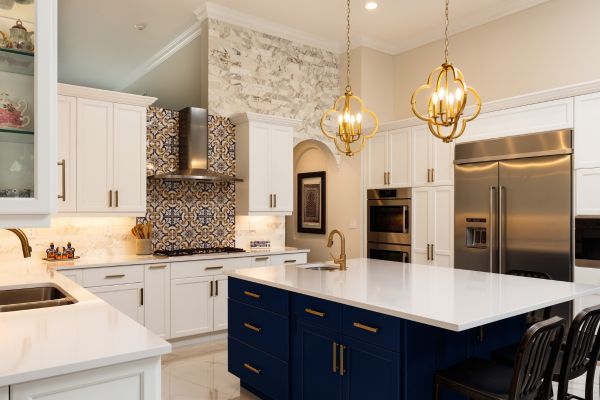
A kitchen backsplash sits in an interesting place within the home. It is not usually the first thing people notice when they walk into a kitchen, yet somehow it shapes the entire atmosphere of the space. A dated backsplash can make an otherwise modern kitchen feel tired, while a thoughtfully chosen design can completely refresh the room without requiring a full renovation.
For years, kitchen upgrades were associated with large budgets and major construction projects. Cabinets had to be replaced, countertops swapped out, and flooring torn apart. But more homeowners are realizing that smaller design changes often have the biggest visual impact. The backsplash, in particular, has become one of the most approachable ways to transform a kitchen without spending a fortune.
That shift has inspired a growing interest in kitchen backsplash ideas on a budget. People want spaces that feel fresh, personal, and stylish, but they also want practical solutions that make sense financially. Fortunately, modern materials, creative DIY options, and changing design trends have made affordable backsplash upgrades more accessible than ever.
The most successful budget-friendly kitchen designs are rarely about trying to imitate luxury perfectly. Instead, they focus on texture, warmth, personality, and thoughtful choices that make the space feel intentional.
Why the Backsplash Matters More Than People Think
A backsplash serves a practical purpose first. It protects walls from grease splatters, water stains, cooking spills, and daily wear that naturally happens in active kitchens. Yet beyond function, it also acts as a visual bridge between countertops, cabinets, and appliances.
Because backsplashes occupy eye-level space, they influence how the entire kitchen feels. Even subtle changes in color, pattern, or texture can dramatically shift the mood of the room.
This is partly why backsplash upgrades feel surprisingly satisfying. Unlike major renovations that can take months, changing the wall behind the counters often creates immediate visual transformation without disrupting the entire home.
And honestly, kitchens are deeply emotional spaces. They hold routines, conversations, rushed breakfasts, late-night snacks, and family gatherings. Small aesthetic improvements tend to affect daily experience more than people expect.
Peel-and-Stick Tiles Continue to Evolve
A few years ago, peel-and-stick backsplash materials carried a reputation for looking temporary or artificial. That perception has changed significantly.
Modern peel-and-stick tiles have improved dramatically in both texture and appearance. Many mimic ceramic, marble, subway tile, or natural stone surprisingly well from a normal viewing distance. Some even include realistic grout lines and dimensional surfaces that reflect light naturally.
Part of their popularity comes from simplicity. Installation requires far less labor than traditional tile work, making them appealing for renters, first-time homeowners, or anyone hesitant about major renovation projects.
The designs themselves have also become more refined. Instead of overly glossy imitation finishes, newer options often lean toward softer matte textures, earthy colors, and understated patterns that feel more timeless.
Peel-and-stick solutions may not last forever, but for many kitchens, they offer an affordable refresh that significantly changes the look and feel of the space without overwhelming the budget.
Subway Tile Remains a Reliable Favorite
Despite constantly shifting kitchen trends, subway tile continues to remain relevant. Part of its staying power comes from versatility. It works in modern kitchens, farmhouse spaces, minimalist interiors, and more traditional homes without feeling out of place.
What makes subway tile especially appealing for budget-conscious renovations is accessibility. Materials are relatively affordable, widely available, and easy to customize through layout patterns or grout choices.
Even small design adjustments can completely change the aesthetic. Vertical stacking feels cleaner and more contemporary. Classic horizontal layouts create familiarity and simplicity. Dark grout adds contrast and definition, while lighter grout creates a softer appearance.
Interestingly, the enduring popularity of subway tile may come from its restraint. It rarely dominates the room aggressively. Instead, it quietly supports the kitchen’s overall design while still adding texture and visual interest.
Painted Backsplashes Are Making a Quiet Comeback
Not every backsplash upgrade requires tile at all.
Painted backsplashes are becoming increasingly common, especially in kitchens aiming for warmth, simplicity, or a more lived-in aesthetic. Durable semi-gloss or satin paints can provide enough protection for many cooking spaces while creating a cleaner, less cluttered visual effect.
Some homeowners choose bold colors to add personality, while others prefer soft neutrals that brighten older kitchens without major expense.
There is also growing interest in painted faux tile effects. Subtle grid patterns or hand-painted geometric details can create texture visually without requiring expensive materials.
This approach works particularly well in smaller kitchens where too many competing surfaces may feel overwhelming. A painted backsplash allows cabinetry, shelving, or countertops to remain the focal point while still refreshing the walls behind them.
Wood Accents Bring Warmth Into the Kitchen
Wood may not be the first material people associate with backsplashes, but it has quietly gained popularity in recent years.
Reclaimed wood panels, beadboard, plywood accents, and slatted wood designs add warmth that many modern kitchens otherwise lack. In spaces dominated by stainless steel and stone surfaces, wood introduces softness and texture that feels more relaxed and welcoming.
Budget-friendly wood backsplash ideas often rely on creative finishes rather than expensive materials. Light staining, whitewashing, or matte sealants help wood feel modern without becoming overly rustic.
Of course, wood near stoves and sinks requires thoughtful sealing and maintenance. But in lower-moisture areas or decorative sections of the kitchen, it can create a surprisingly high-end atmosphere without major expense.
Part of the appeal comes from imperfection. Natural wood grain, subtle color variation, and slight texture differences make kitchens feel more human and less staged.
Open Shelving Changes the Backsplash Dynamic
One reason backsplashes have become such a design focus is because upper cabinets are disappearing from many kitchens. Open shelving leaves more wall space visible, which naturally draws attention to whatever surface sits behind it.
This shift has encouraged more creative backsplash experimentation.
Simple tile patterns become more noticeable. Textured surfaces feel more dramatic. Even budget-friendly materials gain visual importance because they occupy a larger role in the room’s overall design.
Open shelving also allows homeowners to mix practical storage with decorative styling. Everyday dishes, cookbooks, glass jars, and plants soften the kitchen while interacting visually with the backsplash behind them.
Interestingly, this layered approach often makes affordable backsplash materials feel more intentional and sophisticated.
Mixed Materials Create Depth Without Overspending
One of the smartest approaches to affordable kitchen design is combining materials strategically rather than using expensive finishes everywhere.
For example, a kitchen might use standard subway tile behind most counters while incorporating a more decorative accent section behind the stove. Some spaces combine painted walls with small tiled areas only where splash protection matters most.
This selective approach reduces material costs while still allowing for visual variety.
Texture mixing has become especially popular in 2026 kitchen trends. Matte finishes paired with glossy surfaces, natural wood against smooth tile, or stone-inspired patterns alongside minimal cabinetry create kitchens that feel layered and personal rather than overly coordinated.
Budget-friendly design often works best when it embraces creativity instead of trying too hard to imitate luxury showrooms.
Earthy Colors and Softer Tones Are Dominating 2026 Trends
Bright white kitchens still exist, but warmer tones are becoming increasingly popular. Many homeowners now prefer kitchens that feel softer, calmer, and slightly more grounded.
Backsplashes reflect that shift clearly.
Warm beige, muted green, dusty blue, soft terracotta, and earthy gray tones are replacing some of the colder color palettes that dominated previous years. These colors tend to age gracefully and pair well with natural materials like wood, brass, and stone.
Matte finishes are also becoming more common than ultra-glossy surfaces. They create a more relaxed visual texture and often hide fingerprints or cooking splashes more effectively in everyday use.
What makes these trends particularly useful for budget renovations is their flexibility. Softer colors and natural textures often feel more forgiving, allowing affordable materials to blend more naturally into the overall kitchen design.
DIY Installations Continue to Grow in Popularity
Part of the reason kitchen backsplash ideas on a budget have expanded so much is because homeowners are increasingly comfortable tackling smaller renovation projects themselves.
Online tutorials, accessible tools, and simplified materials have made DIY backsplash installation less intimidating than it once seemed. Many people discover that smaller kitchens or straightforward layouts are surprisingly manageable over a weekend project.
There is also a deeper satisfaction tied to hands-on home improvement. Kitchens feel more personal when people contribute directly to shaping the space.
Of course, not every project goes perfectly. Crooked cuts happen. Adhesive mistakes happen. Yet those slight imperfections often make the finished kitchen feel more authentic rather than professionally staged.
A home that looks genuinely lived in usually feels more inviting than one that appears untouched.
Small Kitchens Benefit the Most From Affordable Updates
Interestingly, budget backsplash upgrades often create the biggest visual impact in smaller kitchens.
Compact spaces naturally draw attention to wall surfaces because everything sits closer together. A thoughtfully chosen backsplash can completely change how the kitchen feels without requiring major square footage changes.
Lighter colors help smaller kitchens feel more open. Reflective surfaces bounce light more effectively. Vertical tile patterns subtly emphasize ceiling height.
In many cases, updating the backsplash creates enough transformation that larger renovations suddenly feel unnecessary.
That is part of why backsplash projects remain so popular. They deliver noticeable results without requiring enormous financial commitment or months of disruption.
Conclusion
Kitchen design does not have to revolve around massive budgets or full remodels to feel meaningful. Sometimes the most effective updates are the simplest ones — thoughtful changes that refresh the atmosphere of the room while making everyday life feel a little more enjoyable.
The best kitchen backsplash ideas on a budget are rarely about chasing perfection or copying luxury trends exactly. They are about creating warmth, texture, personality, and functionality in ways that feel realistic and sustainable for real homes.
Whether through peel-and-stick tiles, painted finishes, wood accents, subway tile, or mixed-material creativity, affordable backsplash upgrades allow kitchens to evolve without overwhelming cost or complexity. The growing emphasis on softer colors, layered textures, and practical DIY solutions reflects a broader shift toward homes that feel more personal and less performative.
At its core, a backsplash is just one part of the kitchen. Yet it quietly influences how the entire space feels every single day. And sometimes, that small change behind the countertop ends up transforming far more than expected.