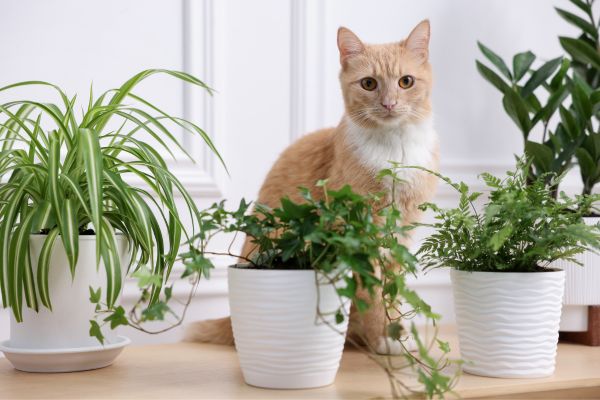
Sharing your home with pets changes the way you look at almost everything—especially plants. That leafy corner that brings calm and character to a room can quickly become a source of worry when curious paws and nibbling mouths are involved. Fortunately, building a green indoor space doesn’t have to mean choosing between style and safety. There are plenty of pet safe indoor plants for home environments that look beautiful, feel inviting, and won’t put your furry companions at risk.
Indoor plants have a quiet way of shaping how a home feels. They soften sharp lines, bring warmth into neutral spaces, and make even the smallest apartment feel alive. When chosen carefully, they can coexist peacefully with cats and dogs, creating a home that feels balanced rather than restricted.
Why Pet Safety Matters When Choosing Indoor Plants
Pets explore the world differently than humans do. A dangling leaf might look decorative to you, but to a cat, it’s an invitation. Dogs, especially puppies, experience everything through taste. Many common houseplants can cause digestive upset, irritation, or worse if ingested. The tricky part is that these plants often appear harmless and are widely sold without much warning.
Choosing pet safe indoor plants for home settings is less about fear and more about thoughtful design. When you know which plants are safe, you gain freedom rather than limitation. You can decorate confidently, knowing that a chewed leaf won’t turn into an emergency vet visit.
Creating a Pet-Friendly Indoor Green Space
A pet-friendly home doesn’t need to look sparse or utilitarian. In fact, it can be lush, layered, and expressive. The key lies in selecting plants that naturally coexist with animals and placing them with intention. Some pets ignore plants entirely, while others see them as toys or snacks. Understanding your pet’s habits helps guide both plant choice and placement.
Lighting, humidity, and maintenance also matter. The best pet safe indoor plants for home use are often hardy and forgiving, which makes them ideal for busy households where life happens around them.
Spider Plants That Thrive in Active Homes
Spider plants have long been favorites for indoor spaces, and for good reason. Their arching leaves add movement and softness to a room, especially when placed on shelves or in hanging planters. They adapt well to different light conditions and recover quickly from neglect, which makes them practical as well as attractive.
For pet owners, spider plants offer peace of mind. Even if a cat takes a playful swipe or a dog manages to grab a leaf, the plant won’t pose a serious risk. That resilience makes spider plants an easy entry point into pet safe indoor plants for home décor.
The Gentle Charm of Parlor Palms
Parlor palms bring a sense of calm elegance without demanding too much attention. Their delicate fronds move gently with air currents, giving a room a relaxed, lived-in feel. Historically popular in living rooms and bedrooms, they suit modern interiors just as well.
From a pet safety perspective, parlor palms are reassuring. They don’t contain the toxins found in many other palm varieties, which makes them suitable for households with cats and dogs. Their upright growth also discourages excessive chewing, especially when placed slightly out of reach.
Calatheas and the Beauty of Patterned Leaves
If you love plants with personality, calatheas might speak to you. Their patterned leaves, often marked with brushstroke-like designs, add visual interest without overwhelming a space. These plants feel curated rather than flashy, fitting well into calm, design-forward homes.
Calatheas are also known for their gentle nature. They’re widely considered safe for pets, which makes them a smart choice for people who want something more expressive than basic greenery. They do require a bit of humidity and consistent care, but the payoff is a plant that feels both special and safe.
Boston Ferns for Soft, Airy Interiors
Boston ferns create a sense of softness that few plants can match. Their feathery fronds spill outward, filling empty corners and adding texture to minimal rooms. They pair beautifully with natural materials like wood and linen, reinforcing a cozy, grounded atmosphere.
As one of the classic pet safe indoor plants for home use, Boston ferns are especially popular with cat owners. While some cats enjoy batting at the fronds, the plant itself isn’t toxic. With regular misting and indirect light, it becomes a reliable companion in pet-friendly households.
Areca Palms and Bright, Open Spaces
Areca palms are ideal for homes that get plenty of light. Their tall, graceful stems and airy leaves can make a room feel brighter and more open. They work well in living areas where you want greenery that makes a statement without feeling heavy.
Importantly, areca palms are considered safe for pets, making them a strong alternative to more problematic palm species. Their size also allows them to be placed on the floor without constant worry, as they tend to be less tempting for chewing than smaller, softer plants.
Peperomia for Small Spaces and Subtle Style
Not every home has room for large plants, and that’s where peperomia shines. These compact plants come in a wide range of leaf shapes and textures, from smooth and glossy to slightly rippled. They’re ideal for shelves, desks, and windowsills where a touch of green goes a long way.
Peperomia varieties are generally regarded as safe for pets, which makes them perfect for apartments or homes with limited space. They don’t demand much attention, and their understated look blends easily with different interior styles.
How Placement Influences Pet Safety
Even with pet safe indoor plants for home environments, placement still matters. Hanging planters, elevated shelves, and plant stands can help protect both the plant and the pet. Some animals simply enjoy the act of digging or knocking things over, regardless of toxicity.
Observing how your pet interacts with plants is part of the process. A dog that ignores greenery may allow more freedom in placement, while a curious cat might require more creative solutions. Over time, you’ll find a balance that feels natural rather than forced.
Living With Plants and Pets Without Stress
One of the biggest misconceptions about indoor plants and pets is that constant vigilance is required. In reality, thoughtful plant choices reduce stress rather than add to it. When you trust that your plants are safe, you stop hovering and start enjoying your space again.
Plants can even enrich a pet-friendly home by improving air quality, adding routine to your day, and creating a calmer environment. The presence of greenery often softens a space emotionally, which pets seem to respond to as much as humans do.
A Home That Grows With You
Choosing pet safe indoor plants for home life isn’t about perfection. It’s about creating a space that reflects care, awareness, and comfort. Homes evolve, pets grow, and preferences change. Plants that are safe, adaptable, and beautiful make that evolution easier.
The best indoor spaces feel lived in rather than staged. They carry small imperfections, signs of daily life, and moments of shared comfort. When plants and pets coexist peacefully, they contribute to a home that feels genuinely welcoming.
A Thoughtful Ending to a Greener Home
Living with pets doesn’t mean giving up on indoor plants—it simply invites more intention into your choices. By focusing on pet safe indoor plants for home settings, you create an environment where beauty and safety quietly support each other. The result isn’t just a greener house, but a calmer, more connected place to live.